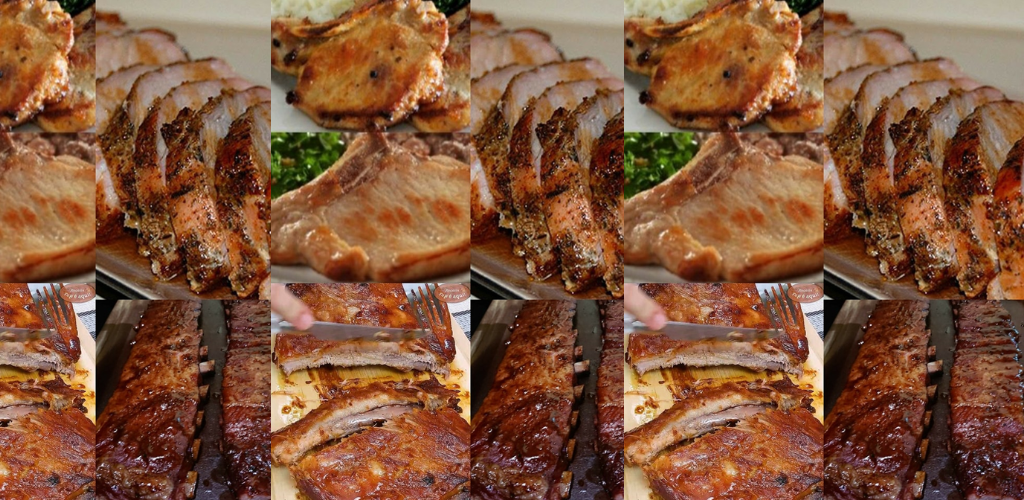
Despite not being a noble meat, pork dishes are usually the most popular on the table. However, many people have doubts about how to prepare this wonder. So, here are some tips about pork, from choosing the meat to finishing it. Check out!
4 tips for not making mistakes when preparing pork
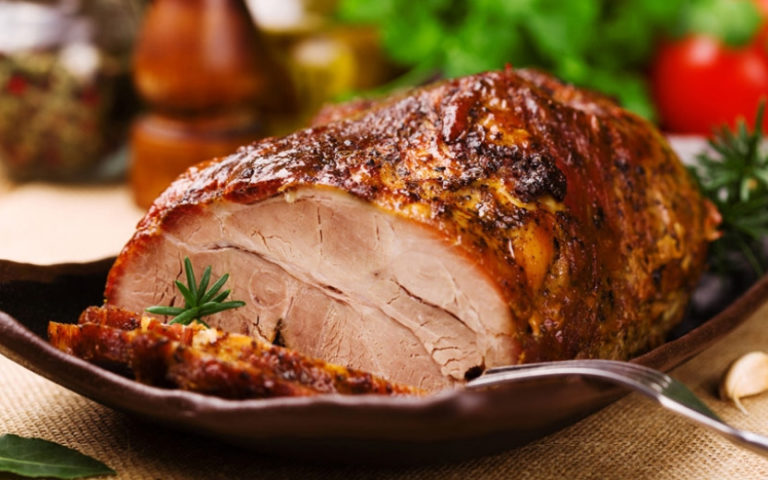
At the butcher or supermarket, always choose meat that is pink and moist and avoid it if the meat is wet or oily. The fat should be firm and white. The bones may have a slightly bluish hue. The joints of any cut should be red and spongy.
The whiter the extremities, the older the animal, avoid it. The ham, made from the back leg of the pig, should have cream-colored fat and dark pink meat. Pork has a better fat and calorie profile than beef. So, prefer cuts such as loin, shank and shoulder.
- STORAGE
In the refrigerator, fresh meat lasts two to three days. Cooked meat lasts four to five days and ham lasts up to ten days. Fresh meat can also be frozen, well packaged, for up to six months. To thaw, place in a container and leave in the refrigerator for five hours.
- SEASONING
First, dry the meat with a paper towel and salt it on all sides. For the marinade, you can add salt, garlic, onion, green chillies, lemon or orange juice, dry white wine, olive oil, chopped red peppers and rosemary, and massage the meat.
Marinade is one of the most common ways to season a ham. In addition to adding flavor, it helps soften the meat fibers. The ideal is to leave the ham to soak in the marinade, in the refrigerator, in a covered container, overnight.
- COOKING
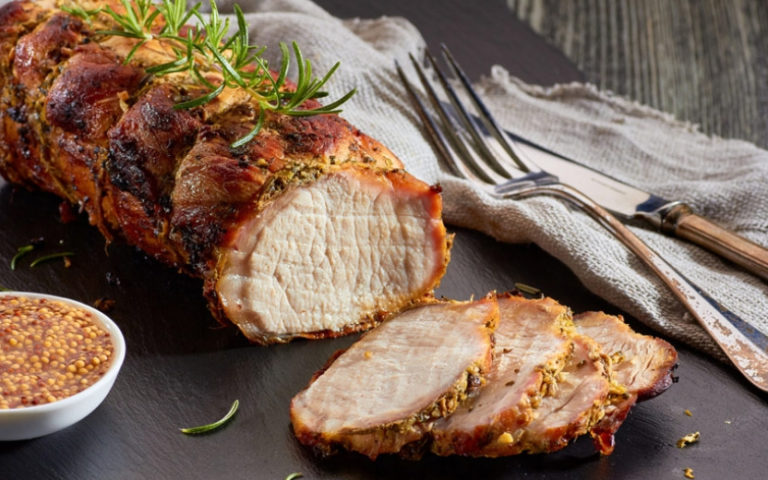
It’s true that pork can harbor parasites that cause worms. Therefore, the meat must be very well cooked and well done, reaching an average internal temperature of 80ºC. A raw shank weighs between 8 and 12kg and serves ten people. The palette weighs between 4 and 5kg and serves up to six people. The meat takes about an hour per pound to roast, so you need to start several hours before serving.