Under its delicate appearance, the orchid represents a fairly hardy variety of tropical plants that can be grown at home. The only problem is that sometimes getting them blooming again can be difficult if you don’t know the right tricks. Discover 10 simple and practical tips for home care.
Ideal for bringing a touch of lightness to your interior by purifying the air in your home , the orchid has been associated with a wealth of symbols over the centuries. From ancient Greece to Japan, through South America, where today it serves as the national flower in Costa Rica, Venezuela or Colombia, it stands for lust, eroticism, seduction and much more.
What does the orchid symbolize?
To understand what he stands for, we must first delve into his roots. And with good reason, those of the flower have long evoked anatomical curves, particularly in ancient Greece, where they were associated with eroticism , fertility, masculinity, and the feminine gender. It was thought that consuming them might even have an impact on a baby’s sexual determination, explains Nathalie Chahine in her book Little Book of Flower Language, where the big roots have the privilege of having a boy and the small ones a girl.
The orchid family, which now includes more than 20,000 botanical species, has also been revered in Japan and China for its artistic and aesthetic values.Confucius associated his scent with that of friendship and his special aspect with that of the perfect man. In a more abstract way, it also represents a color, the grace and the fragility of a thing or a person, and finally the rarity and the sophistication. Without forgetting that it is one of the plants that bring positive energy into the home .
For these various reasons, many people consider it an ideal plant to decorate their interior and rightly so as it is an undeniable eye-catcher in a room. Only you need to know how to properly care for it in order to grow it at home.
How do I care for an orchid?
In tropical forests or in the wild, orchids can be found in wet meadows, dry limestone areas, in forests, or along certain roadsides. There is also an epiphytic species of orchids with aerial roots that do not need to be planted in ground supports. The latter feed on the humidity of the surrounding air and can grow on the branches of another plant, on rocks or even on trunks. The orchid can also be grown indoors in a pot.
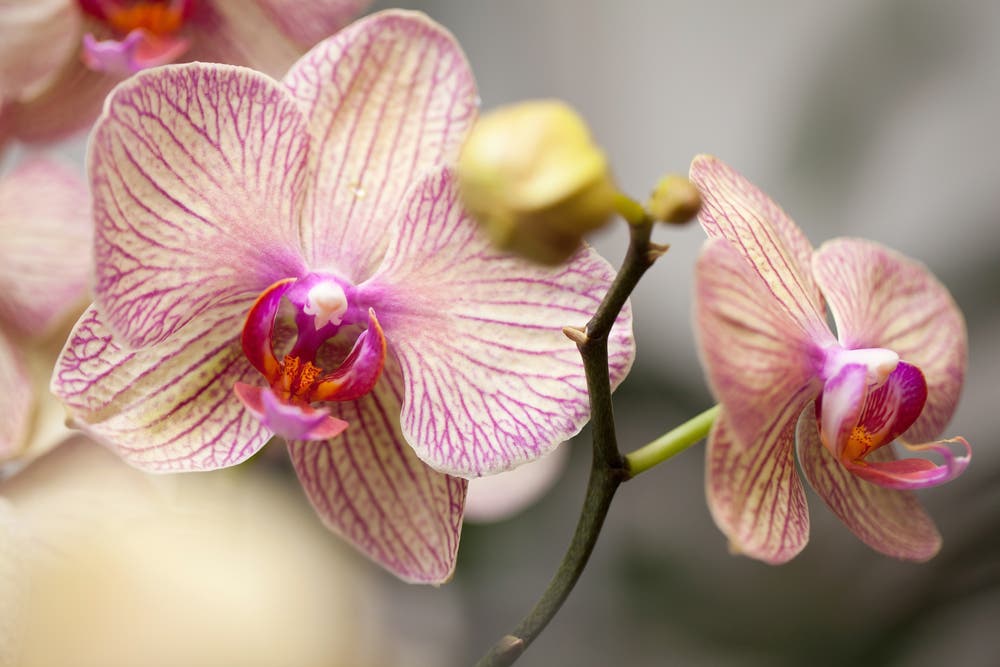
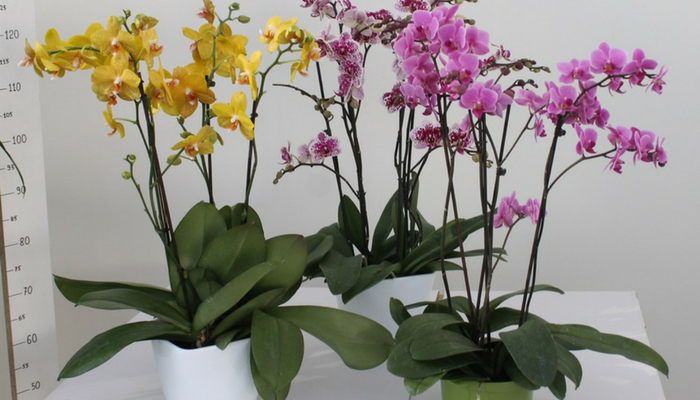
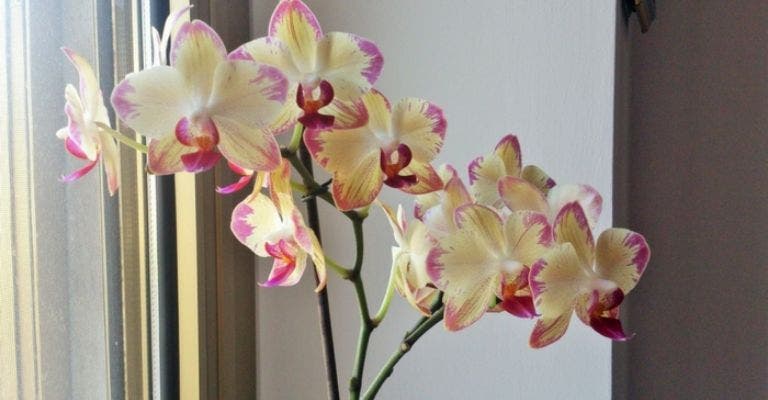
Although several cultivars are available, the most common is Phalaenopsis , a hybrid plant that flowers virtually year-round. With thick, flat leaves, its flowers resemble the shape of a butterfly and are set on long, erect stalks. Depending on the species, these can take on different shapes and colors, offering a multitude of possibilities to those who choose to do so. Pink, lilac, lilac or with white flowers, you have several options to choose the one that suits you. Here are the good tips to follow to take care of your orchid.
1) Use the right doses of water and fertilizer
First of all, it is necessary to feed your orchids if you want them to bloom again. This includes choosing a good potting soil and a liquid fertilizer every two weeks, the latter should be high in nutrients such as potassium and phosphorus. for optimal fertilization. You can ask a florist for advice on this. When flowering comes, the fertilizer is no longer necessary. Watering frequency should also be reduced to give it a resting period. If the stem is turning brown and soft at the bottom, it may mean it is rotting from too much standing water. . You can then prune it as low as possible, continuing its classic care, to stimulate the growth of a new flower stalk.
2) Water your orchids properly
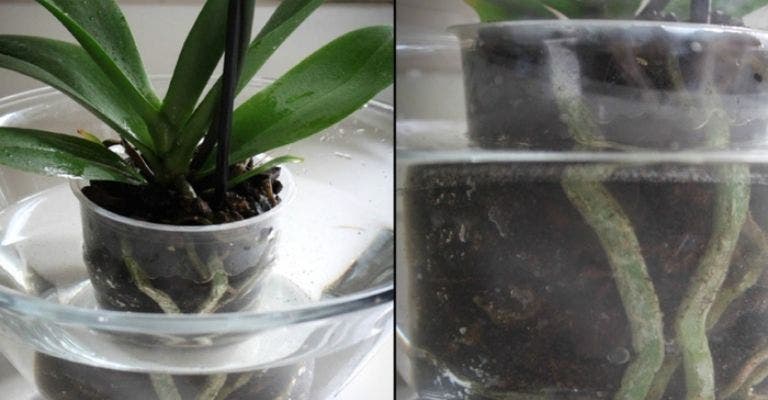
Gardening enthusiasts probably know it: When watering, it is advisable to water the roots of the plant instead of starting from above. There is a simple and effective immersion technique for this. Place your pot in a basin of room temperature water for 20 minutes, making sure it has small holes towards the bottom to create a drainage effect. At the end of this time, empty the container and put it back in its place, making sure there is enough light. The operation must be repeated every 10 days. Note that rainwater can be useful for this procedure.
3) Expose them to light
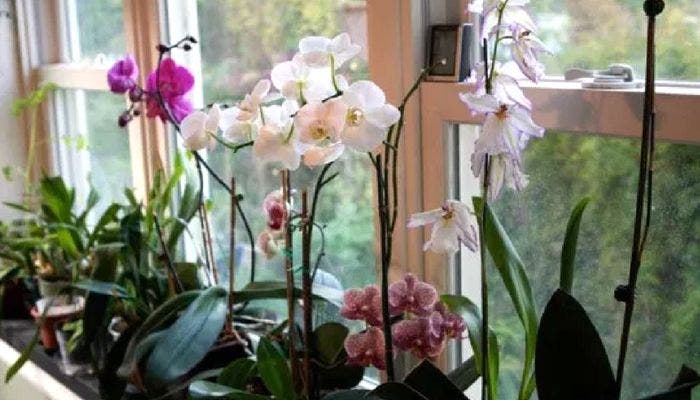
In winter, or when the sun’s rays are not very strong, it is possible to expose your plant directly to the light outdoors or even on a porch. Most orchids feed by photosynthesis and therefore require chlorophyll, like other plants like hydrangeas, which come in the form of small flowering shrubs, tulips or even hyacinths, but the rays can be too hot and burn the leaves. Then prefer a morning exposure by placing it in a bright place with some shade. Excessive ventilation and especially drafts should be avoided.
4) Avoid heat sources
Radiators, fireplaces, too aggressive sun, dry sources of heat are to be avoided for this exotic, moisture-loving plant. If the ambient temperature of the house is above 20 degrees, it is advisable to also place your tropical orchids in cooler places such as the shelves near the windows or in the stairwell. This houseplant does not tolerate drought well.
5) Use heat shock
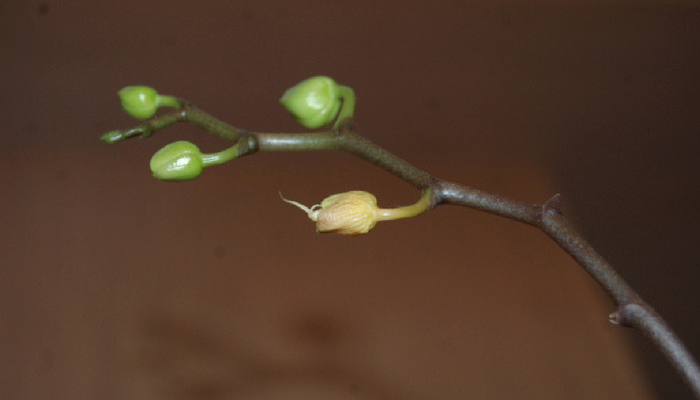
Contrary to popular belief, heat shock can be a real benefit when it comes to getting your orchids back into bloom and producing new flower buds. To do this, place your flowers on a balcony or windowsill during the day when the outside temperature does not rise above 15 degrees , and put them back in their usual place in the evening. The change in temperature stimulates growth, especially in autumn when the temperature is favourable. This process must be repeated alternately day and night for about 15 days to achieve the desired effect.
6) Prune your orchid
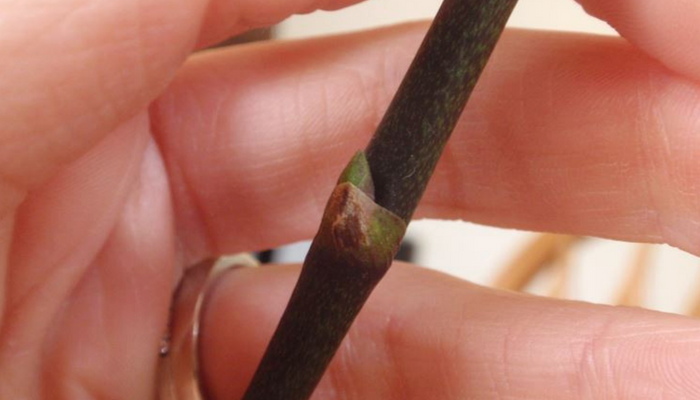
When the flowers of the plant disappear or have withered, it is advisable to cut the stems to encourage new flowering and the birth of healthy buds. Using clean, sanitized pruning shears or scissors, trim these by cutting 1cm above the second or third node of the flower stalk, counting from the bottom.
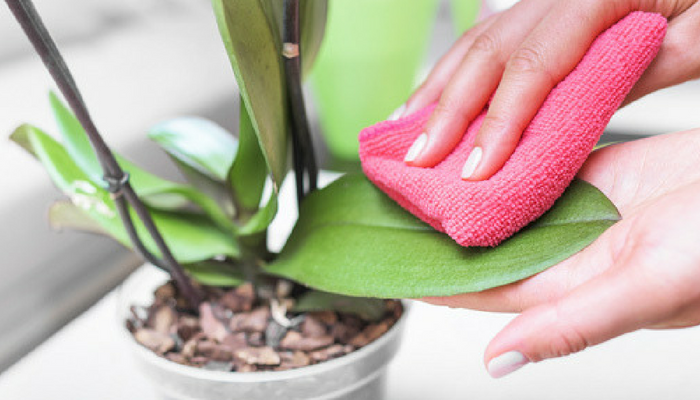
7) Take care of the leaves
If its petals require the most care because of their fragile appearance, do not forget about the leaves. And this advice applies to all flowers, regardless of their type. These should be cleaned with a cloth soaked in distilled water and a few drops of lemon juice. Another of Grandma’s tricks is to use a cotton ball soaked in a mixture of water and milk for this task.
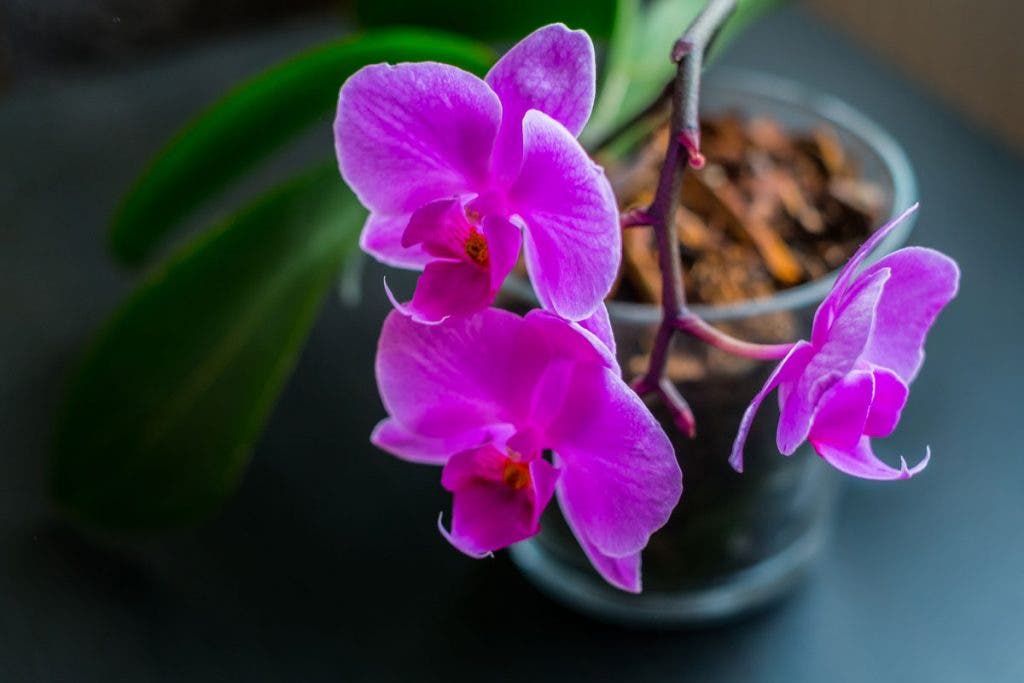
8) Decide on a matching vase
For proper growth, opt for a transparent vase or pot so the plant can benefit from the light. Double-walled ones are particularly effective because they stabilize the temperature. With that in mind, the cache pot is to be avoided. There are also many plants that you can grow in just one glass of water .
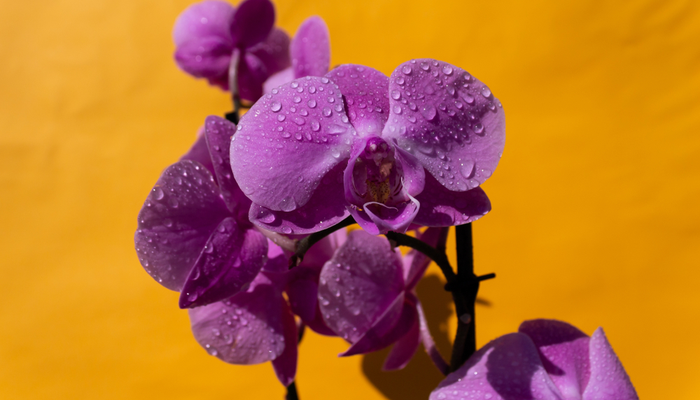
9) Consider humidity
As mentioned above, most orchids are tropical and exotic plants that need ambient humidity to grow in good conditions. Therefore, it is necessary to ensure that the leaves are regularly sprayed with demineralized water. You can also get around this problem by placing them near a humidifier.
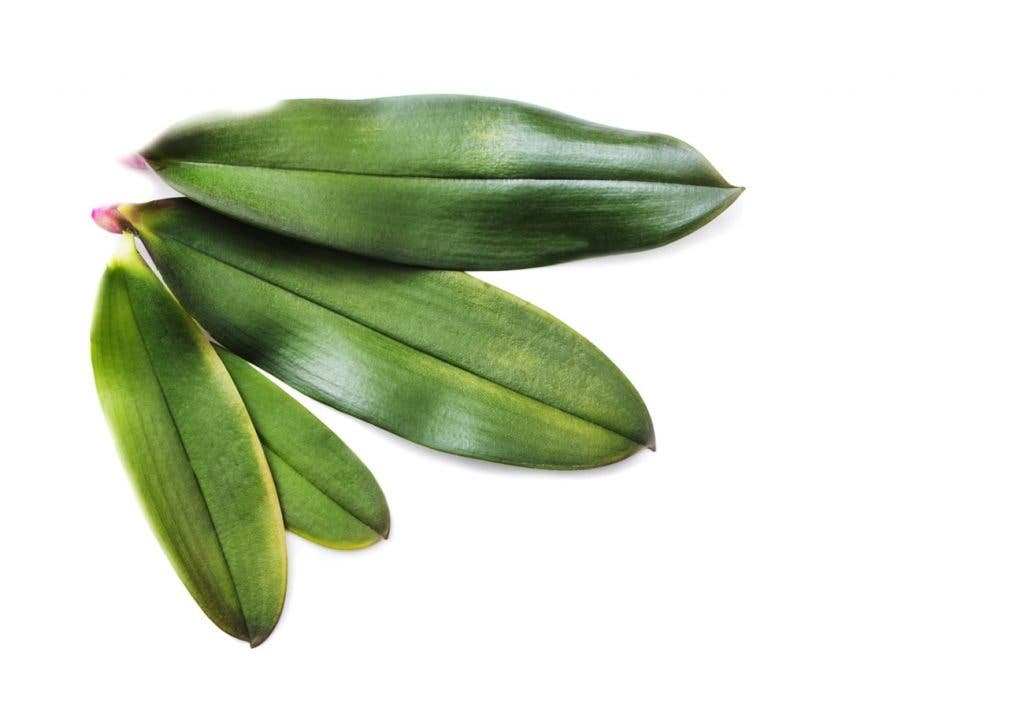
10) Pay attention to the color of the leaves
This is an important indicator that will tell you if your care is appropriate for your plant, especially with regard to direct contact with the sun. If you see your leaves turning yellow or covered in spots , it could mean the rays are too aggressive. Conversely, if the leaves are too green or dark green, this indicates that your orchid is not getting enough sunlight. In general, the orchid should be repotted every two years immediately after flowering. Faded flowers can then be removed by trimming the dried flower stalk flush. The plant must also be freed from its substrate, as this decomposes over the seasons and can suffocate its roots.